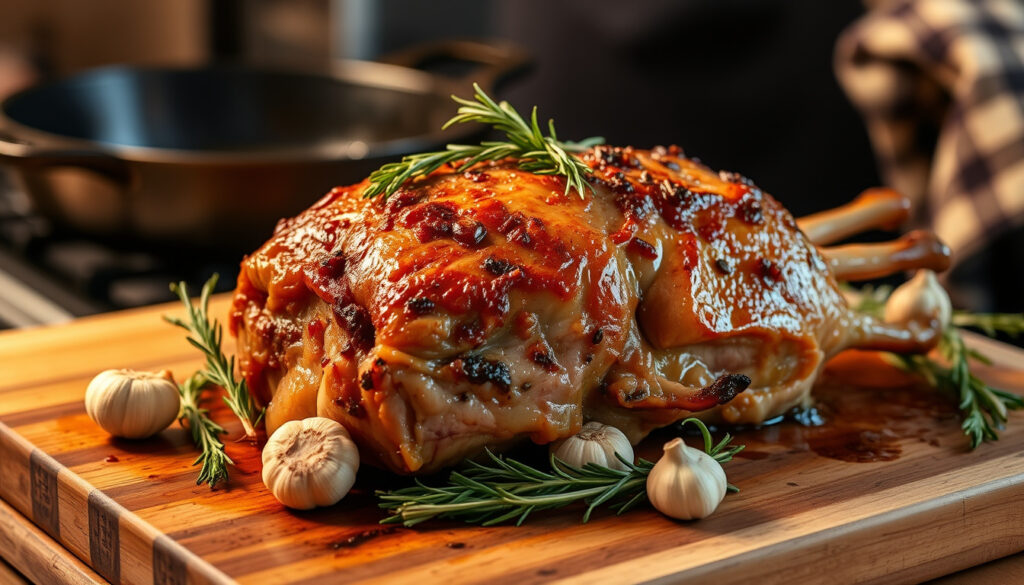
The Leg of Lamb Recipe: Perfect Oven Roast Every Time
There’s a reason the leg of lamb has earned its place as the centerpiece of so many holiday tables and Sunday roasts. Getting the cooking time and temperature right is the difference between a triumph and a tough lesson, and this guide pulls together the best methods from top recipe developers to help you nail it every time.
Average leg of lamb weight: 2-3 kg (4.5-7 lbs) ·
Common roasting temperature: 180-190°C (350-375°F) ·
Typical cooking time per 500g: 15-20 minutes (medium-rare to medium) ·
Recommended internal temp (medium-rare): 55-60°C (130-140°F) ·
Resting time after roasting: 15-20 minutes
Quick snapshot
- Standard method with predictable results (The Mediterranean Dish)
- Crispy exterior achieved by roasting uncovered (Jamie Oliver (chef and cookbook author))
- Even cooking with bone-in retains moisture (Booths (UK supermarket))
- Hands-off cooking ideal for busy schedules (Fifteen Spatulas (food blog))
- Fall-apart tender results from low, slow heat (Which? (consumer advocacy group))
- Best for boneless leg of lamb (Booths)
- Lemon, oregano, garlic as core flavors (The Mediterranean Dish)
- Often spit-roasted or oven-roasted (The Mediterranean Dish)
- Served with tzatziki and roasted potatoes (The Mediterranean Dish)
- Spices like cumin, coriander, cinnamon (Fifteen Spatulas)
- Often braised with dried fruit for sweetness (Which?)
- Serve with couscous for a complete meal (Fifteen Spatulas)
Five facts that matter, one pattern: the key to a perfect roast is temperature, not just time.
| Fact | Value | Source |
|---|---|---|
| Ideal internal temp (medium-rare) | 55-60°C (130-140°F) | The Mediterranean Dish |
| Ideal internal temp (medium) | 65-70°C (150-160°F) | The Mediterranean Dish |
| Resting time | 15-20 minutes | Jamie Oliver |
| Average leg weight (bone-in) | 2-3 kg | Booths |
| Approx. servings per kg | 2-3 servings | Which? |
What is the best method to cook leg of lamb?
The answer depends on how much time you have and what texture you want. Two broad approaches dominate: dry heat roasting for a crisp crust, and slow braising or low-temperature roasting for fall-apart tenderness.
Dry heat roasting vs. slow braising
- Dry heat roasting at 180-220°C creates a browned, flavorful exterior. Jamie Oliver starts his leg at 220°C for 20 minutes, then drops to 190°C for the remaining time. This gives a crisp crust while keeping the inside pink.
- Low-temperature roasting at 120-150°C (250°F) can produce a more evenly cooked, tender result. Fifteen Spatulas recommends roasting at 250°F for 90 minutes to 2 hours, then resting and blasting at high heat for 5 minutes to brown the outside.
- Slow braising in liquid (e.g., stock, wine) is ideal for boneless legs and yields a shreddable texture. Booths suggests covering with foil for the first part of cooking to trap moisture.
Low and slow gives you more forgiveness and a uniformly tender roast, but high heat gives you a better crust. Your choice: optimize for texture or for appearance.
Choosing bone-in or boneless
- Bone-in legs (usually 2-3 kg) take longer to cook but the bone conducts heat evenly and adds flavor. Which? notes that bone-in roasts are less likely to dry out.
- Boneless legs (rolled and tied) cook faster and are easier to carve. They are the preferred choice for slow cooker recipes. Booths recommends boneless for even cooking in a slow cooker.
The pattern: bone-in rewards patience with more flavor; boneless rewards convenience with speed. For most home cooks, a bone-in leg roasted uncovered at moderate heat offers the best balance of flavor and appearance.
How long does it usually take to cook a leg of lamb?
Cooking time depends on weight, oven temperature, and desired doneness. The table below shows the common time ranges from multiple authoritative sources.
Cooking time per 500g (1 lb)
Four sources, one pattern: the time per 500g varies with doneness, not just weight.
| Doneness | Time per 500g (bone-in) | Internal temp |
|---|---|---|
| Rare | 10-15 min | 50-52°C (125°F) |
| Medium-rare | 15-20 min | 55-60°C (130-140°F) |
| Medium | 20-25 min | 65-70°C (150-160°F) |
| Well-done | 25-30 min | 70-75°C (160-170°F) |
| Fall-apart tender | 40-45 min | 80-85°C (175-185°F) |
Source: The Mediterranean Dish (rare, medium-rare, well-done, fall-apart) and Fifteen Spatulas (bone-in times).
Temperature and doneness guide
- Jamie Oliver gives specific total times: 1 hour 10 minutes (plus 30 min rest) for blushing lamb (62°C internal), 1 hour 20 minutes for perfectly pink (73°C), and 2 hours 15 minutes for no trace of pink (83°C).
- Booths recommends a two-stage oven: 20 minutes at 200°C fan, then 15 minutes per 500g at 160°C for medium, or 25 minutes per 500g for well-done.
- Which? provides a time range from 1 hour 5 minutes for a 750g leg to 3 hours for a 2.75kg leg, all at 180°C.
The biggest variable is your oven’s calibration. Use a meat thermometer, not a clock alone. A 2.5kg leg can be medium-rare in 1.5 hours or well-done in 2.5 — the difference is 20°C internal.
The implication: stick to a reliable time-per-weight guideline and always verify with a probe thermometer. The difference between medium-rare and medium is just 5-10°C.
Should I cover my lamb in foil when cooking?
Foil is a tool, not a rule. It traps steam and speeds cooking, but it also prevents browning. The choice depends on whether you prioritize tenderness or crust.
Foil use for slow cooking
- Booths recommends covering the lamb with foil for the first stage of roasting (20 minutes at high heat, then lower heat covered) to trap moisture and prevent the outside from drying.
- Fifteen Spatulas uses a low-and-slow method (250°F) entirely covered, then a final high-heat blast uncovered to brown.
When to remove foil for browning
- Jamie Oliver roasts uncovered from start to finish, relying on a bed of vegetables (celery, carrots, onion) to add moisture to the pan without foil.
- The Mediterranean Dish also roasts uncovered, using a high initial temperature (425°F) then reducing to 350°F to achieve a browned crust while keeping the interior moist.
Covering with foil can make the meat more tender, but it also prevents the Maillard reaction that creates a browned, flavorful crust. If you cover, make sure to uncover for at least the last 20-30 minutes.
The trade-off: foil for moisture, no foil for crust. Most home cooks get the best result by starting uncovered, then covering only if the surface is browning too quickly before the interior reaches the target temperature.
What are common mistakes when cooking lamb legs?
Even experienced cooks make these errors. Avoiding them separates a good roast from a great one.
Not resting the meat
- Skipping the 15-20 minute rest after roasting causes juices to run out onto the carving board, leaving the meat dry. Jamie Oliver insists on a 30-minute rest under foil for his perfect roast leg of lamb.
- Resting allows the internal temperature to rise by 2-3°C (carryover cooking), so pull the lamb from the oven 2-3°C below your target temp.
Overcooking or under-seasoning
- Overcooking is the most common complaint. Which? notes that many home cooks rely on time alone instead of a meat thermometer, leading to dry, tough meat.
- Under-seasoning is the second. Leg of lamb benefits from bold flavors: garlic, rosemary, salt, pepper. The Mediterranean Dish uses a paste of garlic, rosemary, salt, and olive oil rubbed all over the surface.
Using wrong cut or size
- Not all legs are equal. A bone-in leg from the shank end is leaner and cooks faster than the sirloin end. Booths advises asking your butcher for a whole leg (bone-in) for the most even roasting.
- Boneless rolled legs are often from shoulder meat, which is better suited to slow braising than roasting.
The most common mistake is not trimming the silver skin — that thin, shiny membrane on the surface. It shrinks during cooking, causing the meat to curl and cook unevenly. Score it lightly with a sharp knife before seasoning.
The pattern: most mistakes stem from impatience — not resting, not measuring temperature, not trimming. Fix those three, and your leg of lamb will consistently deliver.
How to cook a perfect leg of lamb in the oven?
This step-by-step method combines the best techniques from the sources above. It works for a 2-3 kg bone-in leg of lamb, medium-rare to medium doneness.
- Step 1: Prep and seasoning
- Remove the lamb from the fridge 30-60 minutes before cooking to take the chill off. Booths recommends patting dry with paper towels.
- Trim excess fat, leaving a thin layer (about 1cm). Score the fat in a diamond pattern. Make small incisions all over and insert slivers of garlic.
- Season generously with salt, pepper, and fresh rosemary. The Mediterranean Dish uses a paste of garlic, rosemary, olive oil, and salt rubbed all over.
- Step 2: Roasting technique
- Preheat the oven to 220°C (425°F). Place the lamb on a rack in a roasting pan, fat side up.
- Roast at 220°C for 20 minutes to sear the outside. Then reduce the temperature to 190°C (375°F) and continue roasting. Jamie Oliver uses this two-temperature method.
- For medium-rare: roast for 15-20 minutes per 500g after the initial sear. Check internal temperature with a probe thermometer. Aim for 55-60°C.
- For medium: 20-25 minutes per 500g, aiming for 65-70°C.
- Step 3: Resting and carving
- Remove the lamb from the oven when it reaches 3°C below your target temperature (carryover cooking will finish it).
- Cover loosely with foil and rest for 15-20 minutes. Jamie Oliver rests for 30 minutes for larger roasts.
- Carve against the grain into slices about 1cm thick. Serve with the pan juices or a gravy made from the roasting pan.
For a 2.5kg leg, expect about 1 hour 20 minutes total cooking time (including sear) for medium-rare. Trust the thermometer, not the clock. The difference between perfect and overdone is a few degrees.
For the home cook, the implication is clear: a leg of lamb is not a set-it-and-forget-it dish. It demands attention, but the reward is a centerpiece that looks and tastes like something from a professional kitchen.
Confirmed facts
- Cooking time depends on weight and desired doneness. (The Mediterranean Dish)
- Resting meat improves juiciness. (Jamie Oliver)
What’s unclear
- Optimal foil usage varies by recipe and oven calibration. (Fifteen Spatulas vs Jamie Oliver)
- Exact impact of bone vs boneless on cooking time for home ovens is debated. (Which?)
- Covering with foil can retain moisture. (Booths)
- High heat sear (220°C) followed by lower heat (190°C) is a common technique. (Jamie Oliver)
“I recommend roasting a leg of lamb uncovered at a high temperature to start, then lowering the heat. This gives you a beautiful crust and a perfectly pink centre.”
Jamie Oliver (chef and cookbook author)
“For a foolproof roast, use a low temperature (250°F) and cook it low and slow. You get a tender, even result every time.”
Fifteen Spatulas (food blog)
“The key to a great roast leg of lamb is not to overcook it. Use a meat thermometer and rest it well.”
Booths (UK supermarket)
“A garlic and rosemary paste rubbed into the meat makes all the difference. Don’t skimp on seasoning.”
The Mediterranean Dish (recipe developer)
For the home cook facing a Sunday roast or holiday dinner, the choice is not between methods but between priorities. If you want a crisp crust and a pink centre, go uncovered at high heat. If you want fall-apart tenderness, wrap it in foil and go low and slow. Either way, the single most important tool is a meat thermometer — it’s the difference between a triumphant roast and a dry, disappointing one. The leg of lamb is forgiving, but only if you treat it with the respect it deserves. Pair it with a Mediterranean Diet Meal Plan or a Chicken and Mushroom Pie for a complete meal.
izzycooking.com, bakeitwithlove.com, stephiecooks.com, tatyanaseverydayfood.com, easytemperature.com, bbcgoodfood.com, keviniscooking.com
För den som vill experimentera med olika tillagningsmetoder finns en foolproof roast lamb guide med användbara tips och temperaturer.
Frequently asked questions
What is the best cut of lamb for roasting?
A whole leg of lamb (bone-in) is the best cut for roasting. It has a good balance of fat and meat, and the bone adds flavor and helps conduct heat evenly. Boneless legs are better for slow cooking or if you prefer easy carving.
How do I keep leg of lamb from drying out?
Don’t overcook it. Use a meat thermometer to pull the lamb at your target internal temperature (55-60°C for medium-rare). Rest the meat for 15-20 minutes before carving to allow juices to redistribute. Covering with foil during resting helps retain moisture.
Can I cook leg of lamb from frozen?
It’s not recommended. Cooking from frozen will result in uneven cooking — the outside will be overdone before the inside is cooked. Thaw the lamb in the refrigerator for 24-48 hours before roasting.
What herbs go best with leg of lamb?
Rosemary and garlic are the classic pair. Thyme, oregano, and mint also work well. For Greek-style, use oregano and lemon. For Moroccan-style, use cumin, coriander, and cinnamon.
How do I carve a leg of lamb?
Let the lamb rest, then place it on a cutting board. Hold the bone end with a clean towel. Slice against the grain into 1cm thick slices. For a bone-in leg, you can also cut the meat off the bone in large chunks and then slice.
Should I marinate leg of lamb overnight?
Yes, marinating overnight can add flavor, especially if you use an acidic base like lemon juice or yogurt. However, a simple rub of garlic, rosemary, salt, and olive oil applied 30 minutes before cooking works just as well for most recipes.
Is it safe to eat pink lamb?
Yes. Lamb is safe to eat at medium-rare (55-60°C internal temperature) as long as it has been handled properly. The USDA recommends cooking lamb to at least 145°F (63°C) with a 3-minute rest, which corresponds to medium doneness.
What side dishes pair well with roast lamb?
Classic sides include roasted potatoes, mint sauce, green beans, roasted carrots, and Yorkshire puddings. For a Mediterranean twist, serve with tzatziki, roasted vegetables, and a Greek salad. For Moroccan, couscous and roasted butternut squash work well.
More related posts
 Best Small SUV NZ – Top 2024 Picks Under $40k
 Warriors vs Timberwolves Stats: Scores & Analysis
 Clip n Climb Christchurch: Prices, Safety & Age Limits
 Auckland Car Dealership Liquidation: Westpac Owed $3.1M
 Butter Price Drop: Global Dairy Market Analysis & Trends
 NZ Keno Results Today Live – Check Latest Draws & Prizes
 Black Caps vs Pakistan 2026: Rain Decides Semi-Final Race
 New World Hutt City: Prices, Hours & Facts (2025 Guide)