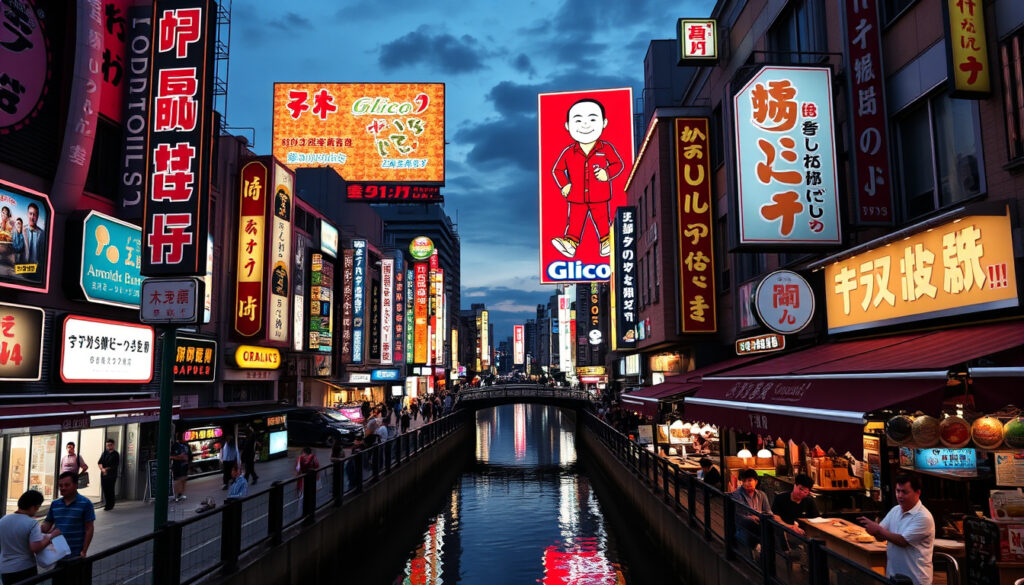
Things to Do in Osaka: Top Attractions, Food & Itineraries
There’s a reason Osaka keeps popping up on travel radars: it’s the rare city that feels both chaotic and welcoming. Beyond the neon glow of Dotonbori and the grandeur of Osaka Castle lies a city that rewards those who wander a little deeper.
Population of Osaka: 2.7 million (Osaka City) · Number of Michelin-starred restaurants: 20+ · Year established as a city: 1889 · Famous dish: Takoyaki
Quick snapshot
- Osaka Castle was built in 1597 (Osaka Official Tourism)
- Dotonbori is the iconic entertainment district (YouTrip Singapore (travel finance platform))
- Universal Studios Japan opened in 2001 (Universal Studios Japan official)
- Exact annual visitor count for Dotonbori is not publicly reported
- Safety level of Nishinari after dark is debated among locals and tourists
- Best time to visit: March–May and October–November (Japan Guide (travel resource))
- Golden Week (late April–early May) is peak domestic travel period (Japan Guide (travel resource))
- 2026 World Expo preparations may affect some park hours
- Spring 2026 cherry blossom forecasts: late March–early April
Six quick-reference facts about Osaka, one pattern: the city’s appeal is split evenly between historic landmarks and modern entertainment.
| Fact | Value |
|---|---|
| Best time to visit | March to May and October to November |
| Currency | Japanese Yen (JPY) |
| Language | Japanese |
| Time zone | JST (UTC+9) |
| Population (city) | 2.7 million |
| Year founded as city | 1889 |
What should I not miss in Osaka?
Must-See Attractions: Dotonbori, Osaka Castle, Universal Studios Japan
- Dotonbori: neon-lit canal district, street food, and nightlife – free to explore (Tripadvisor (user reviews))
- Osaka Castle: historic keep and museum with park grounds free of charge (Osaka Official Tourism)
- Universal Studios Japan: blockbuster rides and the Wizarding World of Harry Potter (USJ official)
Hidden Gems: Namba Yasaka Jinja, Sumiyoshi Taisha
- Namba Yasaka Jinja: giant lion-head shrine, free entry
- Sumiyoshi Taisha: one of Japan’s oldest Shinto shrines, known for its unique architecture (TraveLynotes (travel blog))
Food Experiences: Takoyaki, Okonomiyaki, Kushikatsu
- Takoyaki (octopus balls) from street stalls in Dotonbori
- Okonomiyaki (savory pancake) at local specialty restaurants (Inside Osaka (local travel guide))
- Kushikatsu (deep-fried skewers) in Shinsekai district
Bottom line: Osaka’s must-sees range from free walking zones to paid attractions. For first-timers, Dotonbori and Osaka Castle are non-negotiable; USJ is worth a full day if you love theme parks.
The implication: balancing iconic sites with hidden gems gives you a richer, less crowded experience.
Is 3 days in Osaka too long?
Sample 3-Day Itinerary
- Day 1: Dotonbori, Namba district, Hozenji Yokocho alley (YouTrip Singapore)
- Day 2: Osaka Castle, Osaka Museum of History, Shinsekai
- Day 3: Universal Studios Japan or day trip to Minoh Falls (Inside Osaka)
Alternative 2-Day Itinerary
- Day 1: Dotonbori, Namba Yasaka Jinja, Osaka Castle
- Day 2: Universal Studios Japan or Kuromon Market + Umeda Sky Building
Day Trip Options: Nara, Kobe, Kyoto
- Nara: 45 min by train – Todai-ji temple and deer park
- Kobe: 30 min – beef and harbor views
- Kyoto: 30–45 min – temples and geisha districts
The pattern: flexibility in duration lets you customize depth and pace.
What is Osaka best known for?
Osaka’s Famous Food Culture
Osaka earned the title “Japan’s Kitchen” because of its historic role as a trade hub for food supplies. The city boasts more than 20 Michelin-starred restaurants and countless street-food stalls. Takoyaki, okonomiyaki, and kushikatsu are the holy trinity of Osaka street eats (Inside Osaka (local travel guide)).
Vibrant Nightlife and Entertainment
Dotonbori is the neon heart of Osaka’s nightlife, packed with bars, karaoke, and gaming centers. The Glico Running Man sign is an iconic photo spot (Tripadvisor).
Historical and Cultural Sites
Osaka Castle (built in 1597) and Shitenno-ji temple (founded in 593) anchor the city’s historic identity. The Mozu Tombs, a UNESCO World Heritage site, are free to view.
What this means: Osaka’s identity is rooted in both culinary abundance and layered history.
Where should I avoid in Osaka?
Nishinari Ward (Airin) – Exercise Caution
Nishinari, also known as Airin, has a higher crime rate than other wards but is not extremely dangerous. Tourists should use standard street smarts, especially after dark. The area is near Shinsekai, which is generally safe during the day.
General Safety Tips for Tourists
- Osaka is one of Japan’s safest large cities
- Keep bags zipped in crowded areas like Dotonbori
- Alcohol is allowed on streets, but public intoxication is frowned upon
The catch: standard caution applies, but the city’s overall low crime rate means you can explore widely.
What is the 5 minute rule in Japan?
The 5-Minute Rule Explained
In Japanese social etiquette, arriving exactly on time is considered late – arriving 5 minutes early is the standard for appointments. This reflects the cultural value of punctuality.
The 1-3 Rule (Hotel Checkout)
The “1-3 rule” refers to hotel check-out by 10 am and check-in from 3 pm – a widespread practice in Japanese hotels. Travelers should plan accordingly.
Etiquette Around Finishing Rice
Contrary to some beliefs, it is not rude to leave rice unfinished in Japan. However, leaving food unnecessarily is seen as wasteful. The “5-minute rule” and “1-3 rule” are real guidelines; the rice etiquette is often misunderstood.
What are unique and free things to do in Osaka?
Free Attractions: Osaka Castle Park, Tempozan Park, Namba Parks
- Osaka Castle Park: free grounds, paid castle museum
- Tempozan Park: harbor views and a giant ferris wheel (fee for wheel)
- Namba Parks: rooftop garden free to walk
Unique Experiences: Cuppa Ramen Museum, Glico Run, Explore Shinsekai
- Cuppa Ramen Museum: make your own Cup Noodles (Cup Noodles Museum official)
- Glico Run: join the evening run along the Dotonbori River
- Shinsekai: retro district with the Tsutenkaku Tower and cheap kushikatsu
Free attractions save money but come with crowds and short opening hours for gardens. The real value is discovering neighborhoods like Nakazakicho – a retro shopping street with no entry fee and few tourists (Inside Osaka).
The implication: prioritizing free spots lets you stretch your budget while uncovering genuine local character.
Pros and Cons of Visiting Osaka
Upsides
- Incredible street food scene with low prices
- Many attractions are free or affordable
- Efficient public transport connects everything
- Friendly locals and less formal than Tokyo
Downsides
- Summer (June–August) is hot and humid
- Dotonbori and USJ can be overwhelmingly crowded
- Some districts have limited English signage
- Accommodation in central areas can be expensive
Confirmed facts vs. what’s still unclear
Confirmed facts
- Osaka Castle was built in 1597 (Osaka Official Tourism)
- Dotonbori is a major entertainment district (YouTrip Singapore)
- Universal Studios Japan opened in 2001 (USJ official)
What’s unclear
- Exact annual visitor count for Dotonbori is not publicly reported
- Safety level of Nishinari after dark is debated among locals and tourists
- The precise number of Michelin-starred restaurants fluctuates yearly
Osaka’s tourism statistics are patchy, which means relying on traveler reviews and official sites is essential. Don’t trust every “top 10” list uncritically – cross-check with at least two sources.
The pattern: a mix of verified data and acknowledged uncertainty helps you plan with realistic expectations.
What locals and experts say
“Dotonbori never sleeps – it’s a sensory overload in the best possible way. You can eat your way through a dozen stalls and still be hungry for more.”
— Osaka Local Guide (Inside Japan Tours)
“Osaka food is about bold flavors, not subtle refinement. That’s why so many food lovers prefer it over Kyoto’s kaiseki.”
— Kansai-based Chef (Osaka Gourmet Tours)
Osaka is a city that delivers on both spectacle and substance. The challenge isn’t finding things to do – it’s narrowing them down. For first-time visitors to Osaka, the choice is clear: embrace the neon chaos and local food, or risk leaving with only a photo of the castle and a missed chance to taste Japan’s real kitchen.
For a seasonal twist, consider visiting during Osakas cherry blossom season when Osaka Castle Park transforms into a stunning pink landscape.
Frequently asked questions
Is Osaka safe for tourists?
Yes, Osaka is considered very safe for tourists. Violent crime is rare. Standard precautions – like watching your belongings in crowded areas – are sufficient.
What is the best area to stay in Osaka?
Namba, Dotonbori, and Umeda are the most convenient. Namba offers nightlife and food; Umeda is a business hub with direct train links. For budget options, consider Shin-Imamiya.
Do I need a JR Pass for Osaka?
For Osaka-only travel, a JR Pass is not necessary. Use a prepaid IC card (like ICOCA) for trains and buses. The JR Pass pays off only if you take Shinkansen between cities.
Can I visit Kyoto from Osaka in a day?
Yes. The rapid train from Osaka to Kyoto takes 30 minutes. You can easily see 3–4 temples and eat a kaiseki lunch in a day trip.
What should I pack for Osaka in winter?
Winter (December–February) is cold but dry. Pack a warm coat, gloves, and comfortable walking shoes. Indoor heating is strong, so layering is key.
Is Osaka expensive to visit?
Osaka is more affordable than Tokyo. Budget travelers can get by on ¥8,000–10,000/day (¥5,000 for hostel + ¥3,000 food). Mid-range hotels cost ¥12,000–20,000/night.
What is the best way to get around Osaka?
Public transport is excellent. Use the Osaka Metro or JR lines. A 1-day subway pass costs ¥800. Taxis are expensive – avoid for long distances.
More related posts
 Auckland Coast to Coast Walk: Route Map, Distance & Guide
 Dunedin Public Art Gallery: Free Entry & Visitor Guide
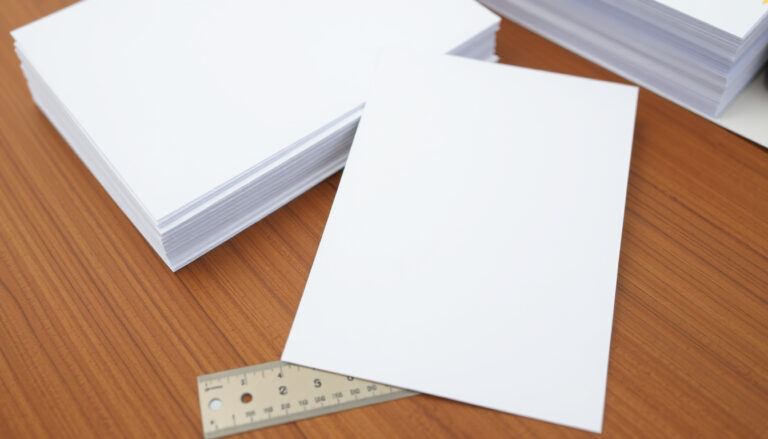 A5 Size in cm: Dimensions, Comparison, and Printing Guide
 ANZ Mortgage Rates Calculator: 2025 Rates & Guide
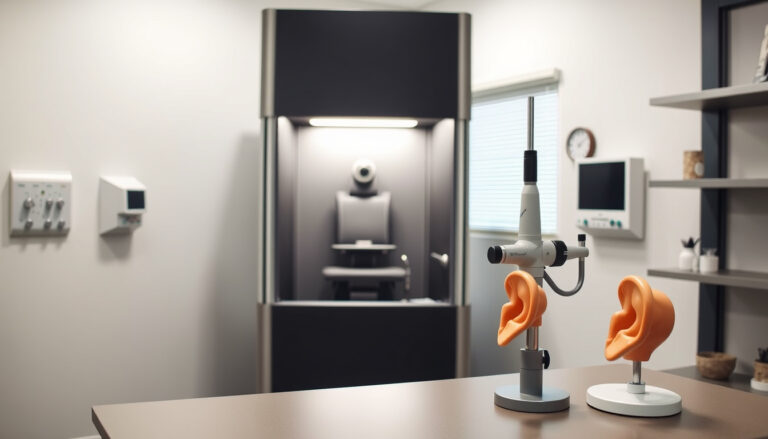 Bay Audiology Lower Hutt: Hearing Tests, Costs, Ear Wax Removal
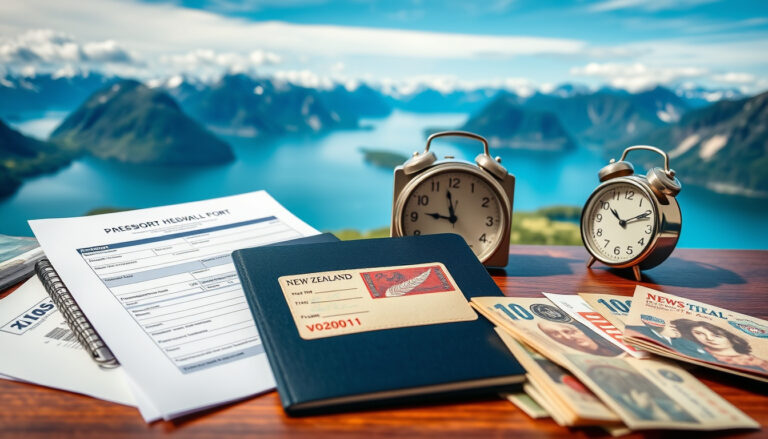 Visitor Visa New Zealand: Requirements, Cost & Processing Time
 Best Women’s Winter Coats NZ: Top Picks & Buying Guide
 Mt Roskill Medical Centre: Hours, Locations, and Services