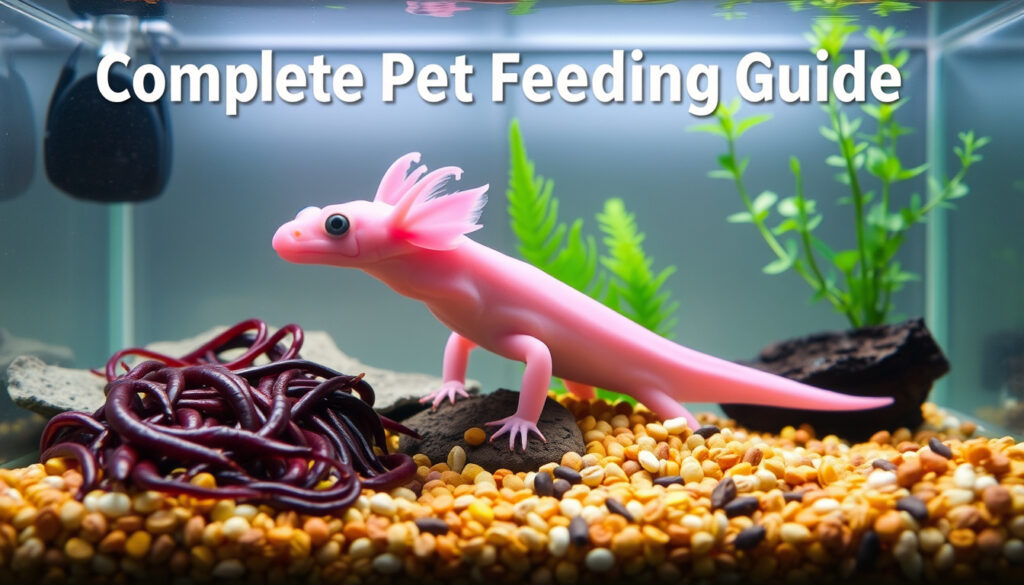
What Do Axolotls Eat – Complete Diet Guide for Pet Owners
What Do Axolotls Eat? Essential Diet Guide
Axolotls are fascinating aquatic creatures with specific dietary needs that differ significantly between wild populations and captive specimens. Understanding what these amphibians eat is fundamental to their health and longevity, whether you are caring for a juvenile rescued from declining habitat or raising a carefully bred specimen in a home aquarium. This guide explores the complete nutritional requirements of axolotls across all life stages, providing practical feeding guidance backed by veterinary and husbandry expertise.
As carnivorous neotenic salamanders, axolotls possess physiological characteristics that make them efficient predators in their native environment. Their diet consists primarily of protein-rich foods including various insect larvae, worms, and crustaceans. In captivity, replicating this nutritional profile while accounting for their developmental stage ensures optimal growth and prevents common health issues associated with improper feeding practices.
The challenge for many keepers lies in navigating the wide array of available food options and establishing appropriate feeding schedules that balance nutritional needs with practical tank maintenance. Research from veterinary sources and experienced breeders provides clear guidance on safe foods, portion sizes, and frequency adjustments that correspond to an axolotl’s age and size.
What Do Axolotls Eat in the Wild and Captivity?
Axolotls in their native Mexican habitat consume a varied diet of small aquatic prey. Wild specimens hunt actively, targeting whatever suitable prey items their environment provides. The decline of their natural habitat in Lake Xochimilco has significantly affected their natural feeding patterns, making precise documentation of wild dietary habits increasingly difficult.
Wild vs Captive Dietary Differences
The distinction between wild and captive diets extends beyond simple food availability. Wild axolotls consume whatever moves in their murky waters, from tiny invertebrates to opportunistic small prey. Captive specimens receive carefully selected foods that prioritize nutritional balance and safety, reducing exposure to parasites or toxins that might occur in wild settings.
Captive diets typically focus on earthworms, bloodworms, and commercial pellets formulated for aquatic carnivores. The controlled environment allows keepers to monitor intake precisely, adjust portions according to growth rates, and maintain water quality by removing uneaten food before it decomposes. This contrasts sharply with wild feeding behaviors where prey availability and environmental factors remain unpredictable.
Despite these differences, the core nutritional requirement remains consistent: high protein intake from animal sources. Both wild and captive specimens require similar macronutrient profiles, though captive animals often achieve better health outcomes due to consistent meal availability and reduced disease exposure.
Overview of Axolotl Dietary Needs
Key Insights for Successful Feeding
- Young axolotls rely on visual cues and movement to trigger feeding responses, making live food essential during early development stages
- Variety in the diet ensures comprehensive nutrient intake and prevents selective eating behaviors from developing
- Proper food size matters more than quantity — prey should be appropriately sized for the individual axolotl
- Removing uneaten food promptly prevents ammonia spikes and bacterial growth that compromise water quality
- Body condition assessment using visible spine and hip bones provides reliable feedback on feeding adequacy
- Temperature affects metabolism — cooler water slows digestion and reduces feeding frequency requirements
- Transitioning between food types should occur gradually, especially when moving from live to prepared foods
Food Types and Safety Reference
| Food Type | Safe? | Recommended Frequency | Notes |
|---|---|---|---|
| Earthworms | Yes | 2-3 times weekly | Gold standard, nutrient-rich staple |
| Bloodworms | Yes | Daily for juveniles | Excellent for young specimens |
| Brine Shrimp | Yes | Multiple times weekly | Particularly valuable for hatchlings |
| Daphnia | Yes | Daily for growing axolotls | High protein and fat content |
| Blackworms | Yes | 2-3 times weekly | Nutritious but expensive, hard to source |
| Mysis Shrimp | Yes | Occasional supplement | Useful variety in rotation |
| Commercial Pellets | Yes | As supplement | 40%+ protein, under 10% fat required |
| Feeder Fish | No | Avoid entirely | Risk of parasites and disease |
| Mice | No | Never recommend | Inappropriate for aquatic feeding |
Best Foods for Pet Axolotls: Safe Options
Selecting appropriate foods for pet axolotls requires understanding both nutritional requirements and practical feeding considerations. Several food categories have emerged as consistently superior options based on veterinary guidance and documented husbandry success.
Earthworms: The Gold Standard
Live and frozen earthworms represent the ideal foundation for captive axolotl diets. These foods closely approximate natural prey items and provide excellent nutritional profiles. European Nightcrawlers are particularly recommended for juveniles and adults due to their high protein content and appropriate sizing. The worms can be offered whole for larger specimens or cut into smaller portions for younger animals.
Earthworms contain essential amino acids and micronutrients that support healthy growth and tissue maintenance. Their movement triggers natural hunting behaviors in axolotls, encouraging activity and mental stimulation. Keeping earthworms in appropriate substrate before feeding ensures they remain nutritious and palatable.
Bloodworms and Blackworms
Bloodworms serve as an excellent supplementary food, particularly useful for juveniles and during growth phases. These small aquatic larvae are typically available frozen, making them convenient for regular feeding schedules. Blackworms offer similar benefits with the added advantage of being small enough for even hatchlings to consume.
While nutritious, blackworms present sourcing challenges. They are expensive and difficult to obtain consistently. Many keepers reserve blackworms for special feeding occasions or use them as training food when transitioning specimens to new diet types.
Brine Shrimp and Daphnia for Young Specimens
Young axolotls benefit significantly from brine shrimp and daphnia during their early developmental stages. Brine shrimp eggs hatch quickly in salt water, providing moving prey that triggers feeding responses in young animals still developing their hunting instincts. Daphnia, commonly called water fleas, offer exceptional nutritional value with ideal protein and fat ratios for growing specimens.
If food isn’t moving enough to attract attention, use feeding tongs to wiggle frozen or prepared foods gently. Young axolotls rely heavily on visual movement to identify prey, and this technique can significantly improve acceptance rates.
Specific Foods Axolotls Love: Worms, Pellets, and More
Beyond the foundational food items, several additional options deserve consideration for complete nutritional coverage. Understanding the specific benefits and limitations of each helps keepers build optimal feeding programs for their specimens.
Pellet Foods: Supplements and Alternatives
Commercial pellets can supplement live and frozen food options, though they should not replace whole-food питание entirely. Pellets designed for axolotls must contain at least 40% protein with less than 10% fat content. Equally important, these products should contain no artificial colors, flavors, or preservatives that could harm sensitive aquatic animals.
Soft pellets work better than hard varieties, as they sink appropriately and are easier for axolotls to consume. Floating pellets often go uneaten, potentially degrading water quality. Soaking pellets briefly before offering them can improve acceptance while reducing the risk of digestive issues from dry food expanding in the stomach.
Mysis Shrimp and Other Crustaceans
Mysis shrimp represent a useful addition to rotation feeding schedules. These small crustaceans provide variety and essential nutrients while maintaining appropriate protein levels. Their small size makes them suitable for juveniles and adults alike, though they work best as supplementary items rather than dietary staples.
The key to successful pellet and prepared food feeding lies in understanding that axolotls evolved as visual hunters of moving prey. Even when accepting non-living foods, they may require assistance recognizing pellets as food. Wiggling tongs, using feeding dishes, and maintaining consistent feeding locations all help establish reliable feeding behaviors.
Mealworms and Other Insects
Mealworms and similar insects can be offered occasionally, though they present specific considerations for axolotl keepers. The chitinous exoskeleton of mealworms can be difficult for young or small axolotls to digest, making earthworms a safer alternative for regular feeding. When offering insects, selecting appropriately sized specimens and ensuring they are gut-loaded improves nutritional value.
Chopped food sections should be sized appropriately for your axolotl. For hatchlings and very young specimens, pieces should be small enough to be swallowed easily. Larger worms can be offered whole to adults but should be cut for younger animals to prevent choking hazards.
How Often and How Much to Feed Axolotls
Feeding frequency and portion sizes change dramatically as axolotls mature. Understanding these developmental requirements prevents both overfeeding and underfeeding, either of which can cause serious health problems. The table below provides comprehensive guidance based on life stage.
Feeding Schedule by Life Stage
| Life Stage | Age Range | Feeding Frequency | Portion Guidance |
|---|---|---|---|
| Hatchling | 0-4 weeks | Twice daily | 1-2 small chopped sections |
| Baby | 0-3 months | Twice daily | Small brine shrimp or daphnia |
| Early Juvenile | Before 2.5 inches | Available around the clock | Live baby brine shrimp and blackworms |
| Juvenile | 1-6 months / 2-5 inches | Once daily | 2-3 whole worms |
| Sub-adult | 6-12 months / 10-12cm | Every 1-2 days | 2-4 worms per session |
| Adult | 12 months+ / 20-30cm | Every 2-3 days | 4-6 worms per feeding |
Assessing Body Condition
Monitoring body condition provides essential feedback on whether your feeding program is adequate. A healthy adult axolotl displays a rounded body with no visible spine or hip bones. If bones are prominent, increase feeding frequency temporarily. Conversely, if the body appears overly rounded, reduce portions to prevent obesity-related health issues.
Young axolotls up to three inches in length may require up to three feedings per day during their most rapid growth phases. As specimens grow between three and seven inches, reduce frequency to twice daily, then to once daily as they approach adult size. Adults over 7.5 inches have slower metabolisms and typically thrive with feeding every two to three days.
Common Feeding Mistakes to Avoid
Overfeeding represents the most frequent error among axolotl keepers. Excess food decomposes in aquarium water, producing harmful ammonia and creating conditions favorable for bacterial growth. The resulting poor water quality causes stress and illness even when nutritional intake appears adequate.
Removing uneaten food promptly prevents these issues while allowing accurate assessment of consumption. For young animals, offer food until the axolotl refuses, then remove whatever remains. This approach ensures adequate nutrition while preventing waste accumulation.
Feeder fish and mice should never be offered to axolotls. Feeder fish carry significant parasite loads, and mice are completely inappropriate for the aquatic feeding mechanics of these salamanders. For more information on what axolotls eat, check out this guide on Diabetes warning signs.
Feeding Timeline: From Hatchling to Adult
Understanding the progression through developmental stages helps keepers prepare appropriate food types and adjust expectations accordingly. The following timeline outlines the typical dietary journey from newly hatched specimen to mature adult.
- Larval stage (0-4 weeks): Initially absorbs yolk sac, then begins hunting tiny prey. Small brine shrimp and daphnia become primary foods. Feed twice daily with appropriately chopped portions.
- Early juvenile (weeks 4-12): Growth accelerates rapidly. Live foods become essential as visual hunting develops. Constant food availability supports maximum growth rates during this period.
- Juvenile (3-6 months): Transition to whole prey items begins. Earthworms and larger bloodworms replace microscopic foods. Reduce feeding to once daily while maintaining adequate portion sizes.
- Sub-adult (6-12 months): Growth continues but at reduced rates. Feeding frequency can decrease to every one to two days. Portions increase as the animal grows larger.
- Adult (12+ months): Full size reached at approximately 20-30 centimeters. Maintenance diet requires feeding every two to three days with 4-6 worms per session. Metabolic rate stabilizes at reduced levels.
Environmental factors including water temperature and tank setup influence these timelines. Warmer water accelerates metabolism and may require increased feeding frequency. Conversely, cooler temperatures slow digestion and allow for longer intervals between meals.
What We Know and What Remains Uncertain
Scientific understanding of axolotl nutrition continues to develop, and honest acknowledgment of knowledge gaps serves both keepers and the animals they care for. Several aspects of axolotl dietary requirements are well-established, while others require further research.
| Established Information | Remaining Uncertainties |
|---|---|
| Axolotls are obligate carnivores requiring protein-rich diets from animal sources | Precise nutritional requirements for specific life stages lack comprehensive scientific documentation |
| Young specimens require live or moving food to trigger feeding responses | Long-term effects of various protein sources on health and longevity are not fully understood |
| Overfeeding causes significant water quality problems affecting health | Optimal supplementation strategies for micronutrients and vitamins remain unclear |
| Earthworms provide excellent nutrition across all life stages | Wild diet variations between different lake regions are not well documented |
| Adults can consume both live and dead food items without issue | Effects of captivity breeding on dietary preferences and requirements |
| Body condition indicators help assess feeding adequacy | Role of dietary factors in susceptibility to common health conditions |
The decline of wild populations in Lake Xochimilco has made studying natural feeding behaviors increasingly difficult. Conservation efforts take priority over research activities, leaving some questions about wild dietary habits without satisfying answers. Captive breeding programs provide opportunities for controlled studies that may eventually fill these knowledge gaps.
Understanding Axolotl Feeding Biology
Axolotls retain their larval characteristics throughout life, a phenomenon called neoteny. This developmental trajectory affects their feeding biology in significant ways. Unlike terrestrial salamanders that metamorphose and change their dietary habits, axolotls remain aquatic predators hunting by ambush throughout their lives.
Their feeding mechanism relies on suction rather than biting. When prey passes within range, axolotls rapidly expand their buccal cavity, creating negative pressure that draws food into their mouths. This system works effectively for appropriately sized prey but requires careful food selection to prevent choking or aspiration.
The regenerative capabilities of axolotls extend to their digestive system, though this does not excuse careless feeding practices. Maintaining appropriate food sizes and monitoring for signs of digestive distress remains important even given their remarkable healing abilities. Proper nutrition supports these regenerative processes, making dietary quality directly relevant to their overall health resilience.
Expert Perspectives on Axolotl Nutrition
Axolotls require high-protein diets, and the best results come from feeding a variety of appropriate prey items rather than relying on any single food type. Earthworms remain the gold standard for most situations, but incorporating other protein sources ensures comprehensive nutrition.
— Veterinary exotic pet care guidance on axolotl dietary requirements
Young axolotls are visual feeders that rely on movement to recognize food. If your juvenile is not eating well, try using feeding tongs to create movement with frozen or prepared foods. This simple technique often makes the difference between acceptance and refusal.
— Axolotl husbandry specialists on feeding techniques
These expert perspectives emphasize practical, observation-based approaches to axolotl feeding. Individual specimens vary in preferences, and successful keepers learn to adapt general guidelines to their specific animals. Recording feeding responses and adjusting techniques accordingly leads to better outcomes than rigidly following prescribed protocols.
Supporting Your Axolotl’s Long-Term Health
Establishing appropriate feeding practices from the start prevents many common health problems that affect captive axolotls. Water quality maintenance, portion control, and dietary variety work together to support robust health throughout what can be a fifteen-year or longer lifespan for well-cared specimens.
Investing in comprehensive pet insurance provides financial security for unexpected veterinary expenses. Best Pet Insurance NZ offers coverage options for exotic pets including axolotls, ensuring that health concerns can be addressed promptly without financial barriers to treatment.
Quality nutrition forms the foundation of preventive care, but regular monitoring of body condition, behavior, and waste output completes the picture. Changes in appetite or feeding behavior often serve as early indicators of health problems, allowing prompt intervention before serious illness develops.
Frequently Asked Questions
What do axolotls eat in the wild?
Wild axolotls consume small fish, worms, insect larvae, and crustaceans found in their native lake habitat. Documented observations are limited due to declining wild populations, but their diet closely resembles what captive specimens receive.
Can axolotls eat fruits or vegetables?
No. Axolotls are obligate carnivores with digestive systems designed for animal protein. Plant matter provides no nutritional value and may cause digestive blockages or other health problems.
How should I prepare food for axolotls?
Worms can be offered whole to adults or chopped for smaller specimens. Frozen foods should be thawed and brought to tank temperature before feeding. Pellets should be slightly softened and wiggled with tongs to encourage acceptance.
What human food can axolotls eat?
None. Human food is not appropriate for axolotls. Their nutritional requirements can only be met through appropriate animal-based foods designed for aquatic carnivores.
Can axolotls eat mealworms?
Mealworms can be offered occasionally but are not ideal due to their hard exoskeleton. Earthworms are safer and more nutritious for regular feeding. If offering mealworms, select small specimens and consider gut-loading them beforehand.
Is it safe to feed axolotls brine shrimp?
Yes. Brine shrimp are excellent for young axolotls and work well as supplementary food for adults. They trigger feeding responses in juveniles and provide good nutritional value.
How do I know if I am overfeeding my axolotl?
Uneaten food accumulating in the tank is the clearest sign of overfeeding. Additionally, body condition assessment showing visible spine or hip bones indicates underfeeding, while an overly rounded body suggests excessive portions. Adjust based on what remains after feeding sessions.
Where can I find axolotls for sale?
Reputable breeders and specialized pet stores offer axolotls. TradeMe Dogs for Sale listings may include exotic pets, though verification of seller credentials remains important before purchasing.
More related posts
 Seasonal Work Visa NZ 2026: Requirements & Options
 Firewood Cowboys Facebook Marketplace: IRD Crackdown Calls
 Heat Pump Dryer: Pros, Cons & Costs in Ireland
 Taste of Home Wellington: Menu, Reviews & Hours
 Blank Space Copy and Paste: Invisible Text for Instagram & TikTok
 Où Trouver du Travail à Distance en France 2026: Jobs & Salaries
 Game of Thrones Cast: Actors, Characters & Seasons
 Easy Appetizers for Parties: No-Cook Make-Ahead Ideas